
Property News UK - National Residential
 

Property News UK

I’ve Inherited a House… What Should I Do With It?

what to do with inherited propertyLet’s imagine you’ve recently inherited a property. On paper, it’s worth around £165,000 — but in reality, it’s tired, dated, and in need of work.

The questions most people ask in this situation:

  • Should I do it up and sell it?
  • Should I sell the house as it is?
  • Should I rent it out and become a landlord?

If you’re searching things like “what to do with an inherited house UK”, “should I renovate before selling”, or “can I let out an inherited property” — this is exactly the decision process you’re going through.

Here are the options you might want to consider:


1. Should I Do Up the House Before Selling?

At first glance, this feels like the obvious route.

If the house is worth £165,000 in its current condition, surely doing it up could push it to £190,000+?

But the reality is more complicated.

The real costs of renovating before selling

To bring a tired property up to a modern standard, you’re likely looking at:

  • New kitchen: £5,000–£10,000
  • Bathroom: £3,000–£6,000
  • Rewiring / boiler upgrades: £3,000–£8,000
  • Flooring, plastering, decorating: £5,000+

👉 It’s very easy to spend £20,000–£40,000 before you even list it.

The time factor

  • 2–6 months to complete works
  • Delays, tradespeople, project management stress
  • Ongoing bills during this time (more on that later)

Will you actually make more money?

In the current UK housing market, especially in many North West towns:

  • Buyers are price-sensitive
  • Mortgage affordability is tighter
  • “Done up” doesn’t always mean “premium price”

You might spend £30,000… and only increase the value by £20,000–£25,000.

👉 In some cases, you don’t make significantly more than you spend — you just take on risk and hassle.

When it does make sense

Renovating can work if:

  • The property is structurally sound
  • It’s in a strong demand area
  • You can manage costs tightly

But for many inherited homes, especially older ones, it’s not the straightforward win it seems.


2. Should I Sell the House As It Is?

This is where a lot of people end up — especially if they want a simpler, faster solution.

Why people choose to sell inherited property quickly

Holding onto the property comes with ongoing costs:

  • Council tax
  • Insurance
  • Utilities
  • Maintenance
  • Empty property risks

👉 Even a few months can cost thousands.

For many, the priority becomes:

  • Access cash quickly
  • Avoid ongoing costs
  • Reduce stress and involvement

Is the property suitable for a mortgage buyer?

This is the key question that affects everything.

If the property IS mortgageable:

  • Structurally sound
  • Kitchen/bathroom usable
  • No major defects

👉 You can sell on the open market to owner occupiers

Pros:

  • Higher price potential
  • Wider buyer pool

Cons:

  • Chains can collapse
  • Surveys often down-value or uncover issues
  • Sales can take months

If the property is NOT mortgageable:

Common issues:

  • Structural problems
  • Damp / subsidence
  • Non-standard construction
  • No working kitchen/bathroom

👉 This limits you to cash buyers / investors

And this is where things change:

  • Surveys will highlight issues
  • Owner occupiers are put off
  • Sales fall through more often

Best ways to sell depending on condition

1. Estate agent (best condition properties)

  • Target: owner occupiers
  • Priority: best price
  • Risk: delays, fall-throughs

2. Auction (distressed properties)

  • Target: investors
  • Priority: speed + certainty
  • Typical outcome: ~70% of market value

3. National Residential (middle ground)

  • Target: investors and chain free owner occupiers
  • Priority: speed + reliability + stronger price

👉 Typically around 85% of market value, without the uncertainty of auctions.

This is particularly relevant if:

  • The property needs work
  • You want to avoid months of delays
  • You don’t want to manage a renovation

Who is the right buyer for your property?

It comes down to priorities:

Seller Priority Best Route
Maximum price Estate agent (if suitable for residential mortgage lenders)
Speed & certainty Auction / National Residential
Minimal involvement National Residential
Fast access to sale money Auction*
Best Compromise National Residential
*National Residential can provide interest free cash advance fastest – as soon as a sale is agreed and a deposit is paid – if arranged in advance.

3. Should I Rent It Out Instead?

This is often the “keep it for income” option — but it comes with serious considerations.

Becoming an accidental landlord

If you didn’t plan to be a landlord, this is where problems can start.

With the Renters Reform Act (RRA) coming into force:

  • Section 21 (no-fault evictions) is being abolished
  • Tenants gain stronger rights
  • Regaining possession becomes harder
  • Compliance requirements increase

👉 If the property isn’t up to standard, you could face fines or legal issues

This is especially risky with older inherited properties that need updating.


Costs and responsibilities

Before letting, you may need to invest in:

  • EPC improvements
  • Electrical safety upgrades
  • Gas safety compliance
  • General refurbishment

👉 You could still be looking at £10,000–£30,000+ upfront


Tax considerations (UK)

Letting an inherited property also brings tax implications:

1. Income Tax

  • Rental income is taxable
  • Added to your existing income
  • Could push you into a higher tax band

2. Capital Gains Tax (CGT)

  • When you sell later, you pay CGT on the increase in value from probate value
  • No main residence relief (if you don’t live there)

3. Inheritance Tax (already relevant)

  • Based on estate value at time of inheritance

The reality of letting

Letting can work if:

  • You’re prepared to be a landlord
  • The property meets modern standards
  • You’re thinking long-term

But if your goal is:

  • simplicity
  • low stress
  • quick access to funds

…it may not be the right fit.


Don’t Forget Probate Complications

Before you can even sell or let the property, you may need to go through probate.

This can:

  • Delay timelines
  • Complicate ownership
  • Add legal/admin burden

👉 Companies like National Residential can help navigate and work around probate-related delays, making the process smoother.


Final Thoughts: What’s the Right Choice?

If I’m honest, the decision comes down to this:

  • Do I want to invest time and money for a potential (but uncertain) higher return? → Renovate
  • Do I want the best possible price and can handle delays? → Estate agent
  • Do I want speed, certainty, and minimal hassle? → Auction or National Residential
  • Do I want long-term income and responsibility? → Let it out

For many inherited properties — especially those that are tired, empty, and costing money — the priority becomes:

👉 Get it sold reliably, access the cash, and move on


If you’re currently asking “should I sell my inherited house as is” or “what’s the fastest way to sell a probate property”, you’re not alone — and the right option depends less on the property… and more on your priorities.

To sell your inherited house, just tell us more about the property below. Alternatively, for more information, see how national Residential can help you sell your inherited house faster and with less stress

Alternatively, phone us on 0800 6123694 or 01244 341066 any time 24/7, or use our callback form and we will phone you back to discuss your needs and our solutions.

Repossession Help: Why More UK Homes Are Being Repossessed — And Why Acting Early Matters

If you’re searching for repossession help, you’re not alone.


Across the UK, repossessions are rising again after years of unusually low activity. Mortgage repossessions jumped sharply in 2025, with lenders taking possession of 5,160 homeowner properties — up 39% in a year.

Other figures show a similar trend, including a 51% annual increase in homeowner repossessions and a significant rise in buy-to-let repossessions too.

While levels remain below the peaks seen after the 2008 financial crisis, the direction of travel is clear: more people are falling behind on payments, and more homes are being taken back by lenders.

For both owner-occupiers and landlords, the message is simple — repossession is rising, and prevention is always better than recovery.


Why repossession is the worst possible outcome for property owners

Many people assume repossession is simply another way of selling a property when finances become unmanageable. It isn’t.

Repossession is typically the most financially damaging way to lose a property — and the most stressful.

When a lender repossesses a home, they take full control of the sale process. That usually means:

You lose control over price and timing

Lenders sell to recover their debt, not to maximise your profit. Speed and certainty matter more than achieving the best market value.

Extra costs are added to your debt

Legal fees, repossession costs, arrears interest and selling expenses are usually charged to the borrower — increasing the amount owed.

You may still owe money after the sale

If the property sells for less than the mortgage balance and fees, you remain liable for the shortfall.

Your credit record is severely damaged

Repossession can affect borrowing ability for years — including mortgages, loans and even rental applications.

Stress and disruption are extreme

Court action, eviction and sudden relocation create significant emotional and practical pressure.

In short: repossession removes choice, reduces value, increases debt and limits your future options. That’s why most advisers view it as the outcome to avoid at almost any cost.


The human impact: what happens if you lose your home

For owner-occupiers, repossession doesn’t just mean losing an asset — it can mean homelessness.

Local councils have legal duties to help some people who become homeless, but support is not guaranteed and housing shortages are severe across much of the UK. Many households spend long periods in temporary accommodation, and some may wait months or even years for permanent social housing — if they qualify at all.

Temporary housing can include:

  • Hostels

  • Bed and breakfast accommodation

  • Short-term private rentals

  • Accommodation outside your local area

Families are sometimes relocated far from work, schools or support networks.

This is why preventing repossession — or taking control by selling early — is almost always the safer route.


Repossession help: what to do if you’re struggling with mortgage payments

If you’re worried about repossession, there are many steps you can take before deciding to sell — especially if your financial difficulty is temporary.

Speak to your lender immediately

Lenders are usually required to treat borrowers fairly and may offer:

  • Payment holidays

  • Temporary reduced payments

  • Mortgage term extensions

  • Switching to interest-only

  • Arrears repayment plans

Many repossessions can be avoided simply by opening communication early.

Seek free professional debt advice

Independent advisers can help negotiate with lenders and assess your options. This may include budgeting support, restructuring debts or exploring legal protections.

Consider remortgaging or restructuring

A broker may help you find a more affordable deal — particularly if your fixed rate is ending.

Check benefit eligibility

Some homeowners qualify for support with housing costs or mortgage interest.

Explore temporary solutions

If income loss is short-term — illness, redundancy, maternity leave — lenders often prefer temporary arrangements rather than repossession.


When selling may be the better option

However, if your financial difficulties are long-term or structural — for example:

  • Mortgage permanently unaffordable

  • Interest rate shock with no recovery

  • Unsustainable debt levels

  • Rental income no longer covering costs

  • Major life change affecting income

Then selling voluntarily is often far better than waiting for repossession.

Selling gives you:

✔ control over price
✔ control over timing
✔ ability to repay debt fully
✔ opportunity to protect credit rating
✔ chance to move on your own terms

Many homeowners and landlords who delay selling until arrears escalate find their options shrinking rapidly.


Repossession help for landlords

Landlords face additional risks.

If a buy-to-let property is repossessed:

  • Tenants may be forced to leave

  • Rental income stops immediately

  • Legal obligations to tenants can become complex

  • Mortgage shortfalls still apply

Selling before repossession can protect equity, reduce stress and avoid harming tenants unnecessarily.


The most important step: act early

Rising repossession numbers show what happens when problems go unresolved for too long.

Early action gives you choices.
Late action leaves you reacting to legal deadlines.

If you are searching for repossession help, the key principles are:

  • Talk to your lender early

  • Seek independent advice

  • Understand all your options

  • Act before court action begins

And if long-term affordability is no longer realistic, selling your property voluntarily is almost always a better financial and practical outcome than repossession.


Final word: control the outcome while you still can

Repossession is not just a financial event — it is a loss of control, stability and future opportunity.

If your difficulties are temporary, seek support immediately and work with your lender.
If they are long-term, make a proactive decision about your property before the lender makes it for you.

Because when repossession begins, your options shrink — and the costs rise.

Alternatively, phone us on 0800 6123694 or 01244 341066 any time 24/7, or use our callback form and we will phone you back to discuss your needs and our solutions.

Will Your Empty Property Take A Long Time To Sell?

For many ex-landlords, the real problem begins after the tenants have gone.

By now, most landlords know that we specialise in selling rental property with tenants in situ, meaning there’s no need to go through the long-winded, stressful and often costly process of evicting tenants before a sale.

What some don’t realise, however, is that we also specialise in selling empty properties fast – and  without owners having to spend months managing renovations, chasing contractors or pouring more money into an asset they’re already trying to exit.

Why ex-rental properties can be slow to sell

Once a rental property becomes empty, its flaws tend to become far more obvious. Issues that were tolerated during tenancies suddenly stand out to buyers – especially owner-occupiers, who make up a large part of the open-market audience.

Common problems that can significantly delay a sale include:

  • Outdated kitchens and bathrooms
  • Worn carpets, tired décor and poor presentation
  • Historic maintenance issues that were never fully resolved
  • Damp, mould or ventilation concerns
  • Non-compliant electrics or plumbing
  • Poor EPC ratings and the cost of improving energy efficiency
  • Structural quirks or layout issues that deter mortgage lenders
  • Properties that simply feel “run down” compared to competing stock

Individually, none of these issues are unusual. Combined, they can seriously limit buyer demand, reduce mortgage-ability and lead to repeated price reductions. Multiply that by the number of properties you want to sell and you can see why landlords selling empty properties in need of ‘freshening up’ – need help!

The hidden cost of chasing the best price

Many landlords assume the solution is to renovate and sell on the open market for top price. In theory, that makes sense. In reality, it often comes with hidden costs and delays that eat into any perceived uplift.

Ask yourself:

  • Do you have the time to manage builders, surveys and compliance issues?
  • Do you have the cash to fund works upfront?
  • Are you willing to risk overspending and not getting that money back?
  • Can you afford months of no rent, while still paying the mortgage, council tax, insurance and utilities?
  • Have you factored in estate agency fees, staging, compliance costs and repeated viewings?

Once renovation costs, holding costs and time are properly accounted for, many landlords realise that holding out for 100% of market value isn’t always the most profitable – or least stressful – option.

Is it better to sell for 85 – 90% and walk away with no more costs to pay?

For some ex-landlords, making a small sacrifice on the price can actually leave them in a stronger position overall.

Why?

  • No renovation costs
  • No months of mortgage payments with no rental income
  • No exposure to market changes while the property sits unsold
  • No stress, no project management, no uncertainty

When you compare a clean, certain sale today against an expensive and time-consuming refurbishment followed by an unpredictable open-market sale, 15% compromise on price  often looks more like 5% by the time all costs are considered.

Vacant possession doesn’t mean “problem-free”

Even if you already have vacant possession, that doesn’t automatically make a property easy to sell.

If a property needs work, buyers will still factor that into their offers – often heavily. Mortgage lenders may also down-value or refuse to lend altogether, shrinking the pool of potential buyers.

That’s why landlords with empty properties in poor or tired condition should  talk  to National Residential. The price we estimate is always linked to the comparable sales and how much work is required to get the sale to completion – not simply whether the property is empty or tenanted – so if the fewer factors we have to consider, the better the offer we can make.

A flexible approach that puts the numbers first

We have contractor teams across the UK and we take a numbers-led approach to every sale.

If it makes financial sense to carry out improvements – meaning the uplift in sale price outweighs the cost and time involved – we can use our Cash Advance Fund to pay for works upfront.

Key points landlords like about the Advance Fund:

  • No interest
  • No upfront payment from the seller
  • Deducted from sale proceeds on completion
  • Designed solely to maximise sale price and speed

If the numbers don’t stack up, we will offer an alternative route that prioritises certainty and speed instead.

As well as the limited companies and corporations looking for tenanted properties, we also have thousands of developers and cash buyers looking for properties they can improve for profit.

The Housing Market in 2026

The current UK housing market is characterised by high stock levels and longer average selling times, particularly for properties that are anything less than “show-home ready”.

For ex-rental properties that are a little tired – or in some cases in need of major renovation – the timeline from preparation to sale and completion can easily stretch beyond 9 – 12 months. During that time, costs continue to mount and market conditions can change.

Speak to National Residential to decide your next move

If you’re an ex-landlord with an empty property that isn’t selling or isn’t ‘market ready’, or you’re worried about paying the mortgage with no rent coming in, it’s worth having a conversation before committing to costly works or further price reductions.

We can help you understand:

  • Whether renovation genuinely makes financial sense
  • How much work is needed to get the best possible price
  • Whether a faster, lower-stress sale could leave you better off overall

The right solution isn’t always the highest headline price – it’s the best price achieved in the shortest time, with the least risk and hassle.

Alternatively, phone us on 0800 6123694 or 01244 341066 any time 24/7, or use our callback form and we will phone you back to discuss your needs and our solutions.

Renovation costs landlords must budget to hit EPC C — and why 1 May 2026 is the turning point you need to plan for

Landlords: Plan Your Renovations Now | Landlord Renovation and Repairs Costs and Considerations | Priority Risks For Landlords | Tenants Rights | Funding Legal Requirements

While the government’s current proposal is that EPC C will not apply to new tenancies until 2028 and to all tenancies from 2030, any landlord thinking they have time to wait are wrong.

1st May 2026 is the date that changes everything for UK landlords.

From this date, under the Renters’ Rights Act, it becomes far harder to evict tenants, and tenants gain new powers, support and incentives to report poor conditions, hazards, energy inefficiency and neglect. Councils have been preparing for this shift for months. Several already employ specialist officers trained to help tenants pursue Rent Repayment Orders (RROs) — a mechanism that will allow tenants to reclaim up to two years’ rent from landlords for a wide range of offences, including poor property conditions, ahead of the EPC standard changes.

And the financial risk doesn’t stop there. Breaches linked to unsafe or unhealthy conditions — including damp, mould, inadequate heating, or failure to comply with an Improvement Notice — can trigger civil penalties of up to £30,000, multiple fines on separate breaches, prohibition orders, and in serious cases, criminal prosecution.

Even before EPC C becomes mandatory, a cold, damp or inefficient home is enough to put a landlord in legal and financial jeopardy after May 2026.

All of this means landlords should evaluate EPC upgrades now rather than waiting for the later legal deadline. Improving efficiency, ventilation and safety standards early drastically reduces the risk of complaints, enforcement action and costly disputes once tenants are empowered and councils shift to a much more proactive enforcement model.


Renovation Costs and Practical Considerations for Reaching EPC C

Below is a clear breakdown of the most common improvements needed to reach EPC C, what they cost, how long they take, and whether the work can be carried out with tenants in situ.


1. New Boiler (Combi or High-Efficiency System)

Why: One of the most effective EPC boosts, especially if replacing an older G- or F-rated boiler.

  • Typical cost: £1,800–£4,500 (depending on model, pipework, relocation, flue changes)
  • Time required: 1–2 days (up to a week if changing system type/location)
  • Can tenants remain? Usually yes; short disruption to heating/hot water

2. Loft Insulation (270–300mm depth)

Why: One of the cheapest EPC gains with fast payback.

  • Typical cost: £200–£800 for most lofts
  • Time required: Half a day to a full day
  • Can tenants remain? Yes; minimal disruption

3. Cavity Wall Insulation (where suitable)

Why: Major reduction in heat loss; cost-effective in most cavity-built homes.

  • Typical cost: £500–£1,500
  • Time required: 1–2 days
  • Can tenants remain? Yes
  • Caution: A detailed pre-installation survey is essential — forums regularly report damp issues where installers did not assess exposure, wall condition or bridging risks properly.

4. External Wall Insulation (solid walls)

Why: For many Victorian/Edwardian homes, this is the only major insulation route.

  • Typical cost: £8,000–£20,000+
  • Time required: 2–4 weeks
  • Can tenants remain? Usually yes, but scaffolding, noise and access issues mean tenant cooperation is essential

5. Window Upgrades (double glazing or secondary glazing)

Why: Significant EPC improvement and comfort boost.

  • Typical cost: £500–£1,500 per window
  • Time required: 1–3 days total
  • Can tenants remain? Yes; work done room by room with scheduled access

6. Ventilation Upgrades (to prevent damp/mould complaints)

Why: Absolutely essential under the new regulatory climate — many RRO and enforcement cases are triggered by condensation mould or poor air quality.

Types of upgrades:

  • Extractor fans: £250–£800 per room
  • Trickle vents / passive vents: £50–£200 per window/room
  • PIV systems (Positive Input Ventilation): £800–£1,500
  • MEV / MVHR (whole-house systems): £5,000–£15,000+

Time required:

  • Extractors: hours
  • PIV: half a day
  • MVHR: several days plus ducting work

Tenants in situ? Generally yes, but access to kitchens, bathrooms, lofts and service cupboards is needed.

Important: Draught-proof homes or those with upgraded glazing often see worse moisture retention unless ventilation is upgraded at the same time.


7. Smart Controls, TRVs, Draught Proofing, Tank Jackets

Why: Small improvements that collectively lift the EPC score.

  • Typical cost: £50–£500
  • Time required: A few hours
  • Can tenants remain? Yes

8. Solar PV (optional but increasingly popular)

Why: Can raise EPC rating and reduce tenants’ bills.

  • Typical cost: £3,000–£8,000+
  • Time required: 1–3 days
  • Tenant impact: Minimal; mostly external/loft work

Damp, Mould, and Legal Exposure — Why These Are Now Priority Risks

From May 2026, tenant complaints about damp, mould or cold homes will trigger faster council intervention, legal scrutiny, and potential RRO claims.
Common enforcement triggers include:

  • Poor ventilation
  • Lack of adequate heating
  • Condensation mould
  • Cold indoor temperatures linked to inadequate insulation
  • Failure to comply with Improvement Notices

Penalties can include:

  • Up to £30,000 in civil fines (per offence)
  • Multiple fines for separate breaches (ventilation, heating, hazards)
  • Rent Repayment Orders of up to two years’ rent
  • Prohibition orders preventing letting until remedial works are completed

Upgrades that reduce mould/damp complaints are often cheaper than dealing with legal fallout.


Timelines and Practicalities for Tenanted Properties

  • Lead times are lengthening: expect 2–8 weeks for most installers, longer for glazing and insulation.
  • Phase work sensibly:
    • Start with low-cost, low-disruption upgrades.
    • Follow with heating and glazing.
    • Plan major insulation well ahead and with tenant consent.
  • Document everything:
    • Before and after photos
    • Receipts, warranties
    • Ventilation compliance
    • EPC recommendations and follow-up

This evidence is critical if a tenant claims the property is hazardous or inadequately maintained.

NB. If repairs or improvements that are required as a direct result of a breach of the landlord’s legal duty to provide a safe environment, the landlord may have to rehouse tenants for the improvement works if they need to make significant repairs.

Standard advice for landlord is: Don’t wait until you are ordered to make improvements or repairs!


Cost Scenarios (Typical UK Examples)

1-bed terrace / flat (easy lift to EPC C)

Loft insulation + cavity wall insulation + high-efficiency boiler
→ £3,000–£6,000

3-bed semi (mixed construction)

Loft insulation + new boiler + some glazing + ventilation upgrades
→ £6,000–£18,000

Solid-wall Victorian terrace needing external wall insulation

May require full EWI plus ventilation and heating upgrades
→ £15,000–£35,000


Why Waiting Until 2028/2030 Is a Trap

While the EPC deadline is years away, the real financial and compliance risk begins in May 2026.
Once tenants gain stronger powers and councils intensify enforcement, the cost of not upgrading becomes far higher than the cost of works — especially when a single poor-condition finding can trigger:

  • £30,000 penalties
  • Rent repayment claims
  • Prohibition on letting
  • Costly legal disputes

Early action is not just smart from an energy-efficiency standpoint — it is now a legal risk-management strategy.

Release Cash Fast With National Residential

For many landlords, the reality is simple: even with the best intentions, you may not have the funds to bring every property up to standard before tenant protections strengthen in May 2026. In that situation, a strategic solution is to sell part of your portfolio to release the capital needed to upgrade the rest.

Yes — selling and completing before May is a tough deadline in today’s slower market. But this is precisely where National Residential excels.

We specialise in selling rental properties quickly, including those in poor conditionlow-yielding, or at risk of future enforcement.

By selling these units to investors with deeper pockets — buyers who can complete the improvement works and boost yields well before May — you free up cash to secure and future-proof your remaining assets.

And in a market already slowing, with further stagnation predicted as more landlords offload stock, accepting an 85–90% trade-price offer can be the difference between being stuck… and moving forward.

As an added benefit, once your sale is secured, we can provide an interest-free cash advance of up to £20,000 to ease cashflow immediately.

Just tell us which properties you want to sell, and we’ll explain how the advance works.

Alternatively, phone us on 0800 6123694 or 01244 341066 any time 24/7, or use our callback form and we will phone you back to discuss your needs and our solutions.

The Property System Is Broken — But National Residential Has the Fix

In our recent article “The System Is Broken”: Frustrated Homeowners Review the UK Property Sales Process, we looked at common complaints from frustrated property  owners who have experienced difficulty selling their house to establish the biggest problems people who have difficulty selling their property face in the UK.

The conclusions we drew from the complaints echo our own beliefs: Buying or selling a home in England and Wales can be a slow, uncertain, and expensive gamble — and the public is tired of it.

From buyers pulling out at the last minute to months of delay from solicitors and chains collapsing overnight, the UK’s traditional home-selling process has earned its reputation as a stressful and costly nightmare.

But we are an estate agency that’s not just listening — we’re changing the game.


National Residential: A Modern Solution for a Broken Market

We are a specialist online estate agency that has transformed our sales model to counter the most common problems plaguing the UK market. While many high street agents continue to operate in outdated ways, National Residential uses modern methods to secure sales quickly, safely, and at the best possible price — without the usual stress.

Here’s how we’re different:


1. No More Last-Minute Pull-Outs

One of the biggest frustrations for sellers is buyers pulling out without warning — and without consequences. At National Residential, that simply doesn’t happen.

Every buyer is secured with a non-refundable deposit, meaning once the hammer falls, the buyer is committed. No backtracking, no re-negotiating, no chains collapsing days before completion.


2. Auctions That Work for Everyone — Including Mortgage Buyers

Unlike traditional auctions that require completion within 28 days (often too fast for those using mortgages), National Residential’s 56-day modern auction model gives buyers time to arrange finance — while still protecting sellers with a firm, enforceable commitment.

That makes the process inclusive and secure, opening up your property to a wider pool of serious buyers.


3. Low Starting Prices to Attract the Maximum Interest

While high street agents often price homes too high to win instructions — only to reduce the price later — National Residential does the opposite.

They start low to spark interest, then create competition among buyers. This drives the price up to the highest figure the market is truly willing to pay, often surpassing expectations. It’s a pricing strategy that works — fast.


4. Maximum Exposure on the UK’s Biggest Portals

Every property is advertised on Rightmove, Zoopla, and other leading platforms, ensuring your listing reaches the widest possible audience from day one. More eyes mean more offers, and that means more money in your pocket.


5. A Fast Track Through Legal and Surveying Hurdles

Legal delays are a major headache in most property transactions. National Residential tackles this head-on by working with a trusted panel of independent solicitors who are legally bound to act in your interest but agree to prioritise National Residential clients — cutting weeks off the typical conveyancing timeline.

They also have established relationships with trusted surveyors, engineers and builders. If a dispute arises from a survey or if work is needed, their team can step in to get fast answers and fast solutions — keeping the sale on track.


The Results Speak for Themselves

National Residential has helped thousands of sellers avoid the stress, cost and delays of the traditional system. Whether you’ve had a sale fall through, are stuck in a collapsing chain, or simply need to sell a home that needs work — their model removes risk, removes hassle, and puts money in your bank faster.


Want a Fast, Secured Sale With No Financial Risk?

If you’ve had enough of:

  • Buyers changing their mind

  • Endless delays from solicitors

  • Inflated valuations that go nowhere

  • Sales falling apart days before exchange

…then it’s time to talk to National Residential.

Get a guaranteed, no-obligation valuation, benefit from a no sale, no fee promise, and discover how their proven system can get your property sold fast, securely, and for the best price possible — even if it needs work.

Alternatively, phone us on 0800 6123694 or 01244 341066 any time 24/7, or use our callback form and we will phone you back to discuss your needs and our solutions.

UK landlords – We Salute You.

No Matter What Successive Governments Throw at You; Between Us, There Is Nothing That Cannot Be Fixed!

Let’s take a moment to say what so few ever do – thank you, landlords. You’ve stood strong through year after year of government intervention, legislative shifts, financial penalties, and relentless negativity from the media and political class. And yet, through it all, you’ve continued to provide the backbone of housing in the UK – despite every obstacle that’s been thrown in your path.


It all began to change in 2015, when then – Chancellor George Osborne announced the phased removal of mortgage interest tax relief – more commonly known as Section 24. This wasn’t just a small tweak in policy. For many landlords, it was the start of a slow and painful shift in the viability of letting property. From 2017, the full financial impact began to bite, as landlords were taxed on income they never actually received, decimating profits and forcing many to either raise rents or consider exiting the market altogether.

But that was just the start. Since then, landlords have had to navigate:

  • A tsunami of regulatory changes, from stricter EPC requirements to licensing schemes and Right to Rent checks
  • Higher stamp duty rates on additional properties
  • The constant looming threat of abolishing Section 21 ‘no fault’ evictions
  • Court delays that make regaining possession of a property a drawn-out nightmare
  • The relentless challenge of VOID periods, rising compliance costs and inconsistent enforcement
  • Increasing anti-landlord rhetoric, despite being one of the few groups actually housing people

At National Residential / Landlord Sales Agency, we’ve been waving the warning flag since 2018. We saw what was coming and we have done everything we can to help landlords adapt, restructure, plan, and make informed choices. And we still do – every single day.

Of course, there’s more than one way to solve any problem, and we have immense respect for landlords who keep going, adapting, diversifying, and even those who are fighting back. The voices highlighting the idiocy of driving landlords out of the Private Rented Sector (PRS) without having alternative housing in place are absolutely right. The biggest losers will not be landlords – we always find solutions – but tenants, the very people these changes are supposedly designed to help.

So yes – landlords, we salute you.

But we also know many of you have simply had enough. You feel trapped – stuck between wanting to protect good tenants, but needing to unlock the value in your properties… or unable to deal with nightmare tenants, court delays, and endless red tape… or worried about selling on the open market only to face long delays, broken chains, and expensive voids.

We want you to know – you have options.

We are landlords ourselves. We’ve been there. We’ve experienced every complication you can imagine – and we’ve solved them. We specialise in helping landlords sell with tenants in place or with vacant possession, fast and with minimum fuss. Whether it’s one property or a portfolio, we’ll find a way that works for you – and we’ll always work with you, not against you.

So if you’re ready to move on – or just want to know what your options are – get in touch. We’re enthusiastic, straight-talking problem-solvers who know the landlord game inside out.

Whatever you’re facing – we’ll fix it, together.

Alternatively, phone us on 0800 6123694 or 01244 341066 any time 24/7, or use our callback form and we will phone you back to discuss your needs and our solutions.

How We Helped a Seller Walk Away From a Repossession with £20K in Profit Rather than £5K in Debt

When you are worrying about losing your home due to debt or not paying your mortgage and you are desperate to keep hold of it; it might seem counter intuative to think about selling your house.

But, if you have explored all other options with your lenders and cannot realistically repay the loan or meet a payment plan, selling your property yourself is usually a much better option than letting it get repossessed.

It gives you more control over the sale process, potentially allowing you to get a better price for your property, limits the damage to your credit score, and potentially helps you to avoid added debt through fines and legal costs.
In addition, if a forced sale does not recover the total of the money you owe, you can be liable for the debt for a further 12 years.

Key reasons to sell voluntarily instead of facing repossession:

  • Higher sale price: When a lender repossesses, they often sell the property quickly at a traditional auction, which may result in a selling price  dramatically lower than the property’s value and leaving you with a significant debt even after the property has been sold.
  • Control over the sales process: By selling yourself, you can choose the timing and marketing strategy for the sale, potentially attracting more buyers and getting a better deal. However, if your lender has issued with a deadline to repay, not all sales types will be possible due to the unpredictable nature of high street sales. Also you will need to consider the time betwenn agreeing a sale and having the funds deposited in your bank as the process can take longer than lenders allow.
  • Choosing your next move: If you are going to lose your home, freeing up any money tied into your property could give you more choice abut how, when and where you move next
  • Minimising credit damage: A repossession will severely impact your credit score, making it harder to obtain loans in the future, while a voluntary sale can be managed to minimise the negative impact.
  • Potential to avoid further debt: If you sell your house yourself, you may be able to use the proceeds to fully pay off your mortgage and avoid any additional debt to the lender.


How We Can Help

National Residential sells property in 28 days and we make sure our buyers are able to completes in 56 days so we can provide schedules lenders will accept. Plus we have a 95% completion rate.

Sellers normally walk away with 85-90% of the high street sale value and pay no fees or legal costs. Whereas property sold at traditional auction (as will happen if it is repossessed) normally only achieves 70% of the high street sale value and they incur costs, fees and legal fees which are added to the sellers  debt.

Once we have a found a seller and they have paid the nonrefundable deposit to secure the sale, we can provide sellers with sufficient equity in their property, an interest free cash advance (to be repaid on completion). With it, we can pay off sellers’ debts so that sellers have more choice about when the sale completes and they leave the property. It can mean the difference between being homeless and having a home to go to when you leave the proerty.

For the best outcome, contact us as soon as  all options to come to a feasible agreement with your lender have been exhausted but we can help even if your lender has started proceedings or obtained an eviction order. Speed is crucial, and we can negotiate with creditors to delay or halt proceedings with a guaranteed sale.


Case Study

A seller who had fallen into arrears with their mortgage repayments came to us for help and this is what happened:

  1. A seller with mortgage arrears of £7,900 contacted us at the end of Oct because they had received notice of a bailiff being appointed to evict them on Nov 12th
  2. The market value of their property was estimated to be £210-225K and they had outstanding mortgage/loan of £155K
  3. If they allowed their property to be repossessed and sold at tradional auction, the expected sales price would have been appx £147 – 157 ( 70% minus appx £3K auction fees/listing costs plus £1-2k solicitor costs), meaning the amount raised from auction would not clear their debts and they would be held liable to pay back the outstanding £5K + (est) for 12 years
  4. A cash buying company had already offered to buy the property directly for £160K
  5. Instead, the seller accepted a ‘Fixed Price with Zero Fees’ (walk away) offer from us of £190K* (minus our cash advance or any loan secured on the property)* Meaning we would try to sell the property to a 3rd party and our seller would receive £190K if we were successful.
  6. We collected listing material and listed the property for sale by 7th Nov.
  7. We proactively advertised the discounted property to chain free buyers who are able to complete in 28 days in our database of 30,000+ buyers and negotiated with interested parties to find buyers who were willing and able to pay a bigger deposit than our normal rates (£7900 rather than £5000).
  8. We agreed a sale for £205K and our buyer paid the deposit 9th Nov (i.e. just 2 days later).
  9. We paid the full amount of the deposit paid by our buyer to our independent panel solicitor who arranged an emergency court hearing on Nov 11th to halt the eviction. The court agreed and gave the seller 2 months to complete/repay the loan in full.
  10. We paid the seller an interest free cash advance of £3,500 to pay: their solicitor’s fees for attending court; the deposit and 1st months rent on a rented property; and her removal costs
  11. The completion was made slightly more complicated than usual because of the involvment of a Help To Buy company but we liaised with them directly to ensure their needs were met within the timeframe required by the court agreement
  12. The sale completed in less than 6 weeks and the seller walked away with £20K profit after all loans had been paid


Contact us now using our callback form or  0800 612 8659 (free phone, 24/7) to find out how we can help you sell to avoid being evicted and get the best price for your property.

Alternatively, phone us on 0800 6123694 or 01244 341066 any time 24/7, or use our callback form and we will phone you back to discuss your needs and our solutions.

Probate Explained (UK): What It Is, How Long It Takes & How to Sell a House During Probate

probateIf you’ve recently inherited a property or are dealing with a loved one’s estate, you’re probably asking:



  • What is probate?
  • How long does probate take in the UK?
  • Can you sell a house before probate is granted?

You’re not alone.

Probate is one of the most misunderstood parts of the property process in England and Wales — and getting it wrong can cost you time, money, and unnecessary stress.

This guide breaks it down simply, so you know exactly what to expect — and how to move forward.


What is probate?

Probate is the legal process of dealing with someone’s estate after they die.

The “estate” includes:

  • Property
  • Money in the bank
  • Investments
  • Personal possessions
  • Debts (including mortgages)

There are two key stages:

1. Applying for probate

You apply for legal authority to act:

  • Grant of Probate (if there’s a will)
  • Letters of Administration (if there isn’t)

2. Administering the estate

Once granted, you can:

  • Pay off debts
  • Sell assets (like property)
  • Distribute what’s left to beneficiaries

👉 Without probate, you usually cannot legally sell a property.


Why is probate necessary?

Probate protects all parties by ensuring:

  • Debts are paid before inheritance is distributed
  • Ownership of assets is legally transferred
  • The correct beneficiaries receive what they’re entitled to

In property terms, it’s critical because:
👉 The Grant of Probate is a required legal document to complete a sale.


Who are executors (and what do they actually do)?

Executors are the people responsible for managing the estate.

They are either:

  • Named in the will
  • Or appointed by law (if there is no will)

Executor responsibilities include:

  • Applying for probate
  • Valuing the estate
  • Paying debts and taxes
  • Managing assets (especially property)
  • Distributing inheritance

This isn’t just admin — it carries legal and financial responsibility.


Executor responsibilities for property (what many people don’t realise)

If there’s a house in the estate, executors must actively manage it during probate.

1. Maintaining the property

Executors are expected to:

  • Keep the property secure
  • Arrange appropriate insurance
  • Maintain its condition

👉 An empty, neglected property can quickly lose value — and that loss could fall on the estate.


2. Paying the mortgage

If there’s a mortgage:

  • Payments must continue during probate
  • These are paid from the estate

If funds aren’t available:

  • The property may need to be sold
  • Or other assets used to cover costs

👉 The key point: mortgages don’t pause when someone dies.


3. Settling debts before inheritance

Before beneficiaries receive anything:

  • Mortgages must be cleared
  • Debts must be repaid
  • Taxes (including Inheritance Tax) must be addressed

Only then can the estate be distributed.


How long does probate take in the UK?

👉 It depends.

Typical timelines:

  • Fast/simple cases: 6–12 weeks
  • Average cases: ~6 months to get probate
  • Complex estates: 12+ months (sometimes years)

Factors that affect timing:

  • Whether there’s a will
  • Property involved
  • Number of beneficiaries
  • Tax complexity
  • Delays or queries from the probate office

👉 Realistically, you should allow at least 6 months before probate is granted.


How much does probate cost?

Typical solicitor costs:

  • £1,500 – £5,000+
  • Or 1%–5% of the estate value

Additional costs:

  • Probate application fee (~£273)
  • Property valuations
  • Conveyancing fees

👉 Handling probate yourself can save money — but increases workload and risk of delays.


When is probate NOT required?

You may not need probate if:

  • Property is jointly owned (passes automatically)
  • The estate is small
  • Assets are held in trust (e.g. pensions, life insurance)

Can you sell a house before probate is granted?

❌ You cannot legally complete a sale before probate

But…

✅ You CAN start the entire process

You can:

  • List the property
  • Accept an offer
  • Allow surveys
  • Let the buyer arrange finance

👉 The only restriction is completion must wait for probate.


How to sell a probate property faster

Most delays come from waiting.

A better approach:

  • Market the property immediately
  • Secure a buyer during probate
  • Progress legal work early

👉 So when probate is granted, you’re ready to complete quickly


Don’t Want the Burden of Being an Executor — or High Solicitor Fees?

For many people, the reality of probate is overwhelming.

You may not want to:

  • Take on the responsibility of managing everything yourself
  • Deal with maintenance, buyers, and legal processes
  • Or pay thousands in solicitor fees for full-service probate

This is where specialist support can make a real difference.

National Residential are highly experienced in handling probate property and can take on much of the practical workload — helping reduce both stress and cost.

Here’s how they help:

  • Handle much of the process for you
    Reducing the amount of work your solicitor needs to do
  • Market the property immediately
    So you don’t lose months waiting for probate
  • Secure committed buyers
    They can agree a sale and take a non-refundable reservation deposit, significantly reducing the risk of the buyer pulling out later
  • Prepare everything for completion
    Ensuring the buyer is ready to proceed as soon as probate is granted
  • Contribute towards legal costs
    They will cover legal fees up to £720 (inc. VAT), giving beneficiaries more certainty over what they will receive

A simpler, more certain route during a difficult time

Probate is often emotionally and practically demanding — especially when combined with managing a property.

Working with an experienced specialist means:

  • Less pressure on you as executor
  • Fewer delays and surprises
  • Greater certainty over timelines and outcomes

👉 At a time when you’re dealing with far more important matters, having experienced support to handle the practical side can make the process significantly easier and more manageable.

Alternatively, phone us on 0800 6123694 or 01244 341066 any time 24/7, or use our callback form and we will phone you back to discuss your needs and our solutions.

Derby landlord sells his portfolio with no searches, no survey, and £30,000 more than investor market

We all know that this year’s brought with it some tough challenges for landlords. We’ve also been bombarded with news that, quite frankly, is bringing us all down.

It’s refreshing to hear, therefore, that for landlords who have made the decision to sell, there’s a way out with opportunities to be had, and it’s paying off.

One such landlord based in Derby approached us at Landlord Sales Agency wanting a fast sale, and was worried about tenant approval, especially with us edging ever closer towards the Renters’ Rights Act start date. Rather than exit the market completely, he was looking to sell his difficult properties and knew that traditional estate agents would take far too long and have zero certainty despite their higher market value prices, and auctions would leave him selling for far less than he wanted.

He needed experts who knew exactly how to sell difficult properties with tenants, could deliver certainty of sale and were able to manage the entire sale without him taking too much of a hit on price.

We were able to deliver exactly that. Specialising in landlord portfolio exits, we got to work ensuring full tenant cooperation, which preserved the value of the properties. Despite the tenants being anxious about sale and potential eviction, we were able to position the sales as landlord-to-landlord with clear communication.

Whilst the buyer market dictated vacant possession, our ability to get the tenants to co-operate meant we were able to market the property to substantially more buyers.

The result proved the importance of getting the right people for the job: we sold all 4 of the 6 properties the landlord owned and ensured the tenants assisted with the sale.

What’s more, we sold to a cash buyer, no searches, no survey, avoided a 9-month court delay and achieved £30,000 more than the investor market.

 The key takeaway? How you sell matters as much as if you sell, and we’ve got the right experts to do it. The landlord was able to get back on track and was very happy with the price. Whilst landlords need to be realistic in that for a fast sale they’re not going to get 100% market value, what they are able to achieve is more than the investor market, and a substantial amount more than panic selling at auction. It’s a win-win.

And he’s not alone. Every week, around 80 landlords are coming to us to sell, and we’re delivering. Not only are we able to achieve results that landlords are happy with, we’re super fast and we take the entire sales process off the landlords’ hands, allowing them to relax and let us do all of the hard work. On average all our properties sell in less than 28 days.

We get the job done, and we do it faster and better than anyone else. It’s why we’re the trusted choice for companies such as Property 118, LandlordZONE and Hamilton Fraser.

So if you have properties you want to sell and want to get straight to it, get in touch.

We’re here, and we’re ready to get started.

Alternatively, phone us on 0800 6123694 or 01244 341066 any time 24/7, or use our callback form and we will phone you back to discuss your needs and our solutions.

Fed up of the bad news? Landlords: If you want to sell and get out, we can help you

Whether you’re an accidental landlord with a single property, or an owner with 100 properties, we’re all in the same boat. And I don’t just mean bored of the constant barrage of bad news.

This year is challenging. There’s no denying it. With the Renters’ Rights Act coming into play, plus new tax penalties and unrealistic regulations, it’s safe to say that either you don’t know where you stand, or you do and you don’t want to stand there anymore.

As Noel summarised perfectly: the “Renters’ Rights Act is a disaster.” He went on to say about the state of the property sector: “I think the plan is to keep people so downtrodden they won’t ever vote.”

Well he’s got a point. And the stats show you agree. With well over 80 landlords now contacting us every week to sell, your sentiments are the same: we’re out, but we need help.

So how do you sell without overpricing? Not to mention how do you avoid the long delays, price reductions or deals falling apart? And how do you work with someone who genuinely understands landlord property and can get the job done fast?

At Landlord Sales Agency we specialise in selling tenanted, recently vacated and soon-to-be vacant properties in a way that’s realistic, well-managed and designed to complete.

We’re not a traditional estate agent, and we’re not a fast-sale company either. Our focus is simply on certainty of sale at a fair, achievable price.

You can forget costly refurbs too. We have teams to help spruce up your properties with only what’s absolutely essential for your houses to sell, and our process is fast, gets the most achievable prices and allows you as a landlord to sit back and relax knowing it’s all in hand. How?

  • We have an extensive database of over 30,000 active, chain free buyers looking to purchase anything from a single property to a full portfolio, allowing us to quickly match you with the perfect buyer.
  • Buyers commit with non-refundable deposits, reducing fall-throughs
  • We use realistic guide pricing to create momentum and competition, driving a bidding war on your properties
  • And we work in combination with trusted local agents to ensure that your property is marketed via every possible avenue.

What’s more, our team of landlord experts is the best in the country at managing tenants, access and compliance.

We’re also completely transparent. We don’t promise the highest price at any cost. We focus on the best achievable price that actually completes. And it works. On average, all our properties sell in less than 28 days.

Throughout January and February, we’ll be focusing on properties from Liverpool, Nottingham, Manchester and Leeds, where our experts can get to you fastest.

If you’re a landlord looking to get out of this mess and start afresh, we’re here to help.

There’s no obligation to sell, and absolutely everything to gain. 

Alternatively, phone us on 0800 6123694 or 01244 341066 any time 24/7, or use our callback form and we will phone you back to discuss your needs and our solutions.

Selling with tenants in place, or after they’ve left? A realistic route to a certain sale


sell empty property fastSelling with tenants in place, or after they’ve left? A realistic route to a certain sale
sell empty houses fast. It goes without saying, and certainly judging by the amount of landlords we’re speaking to, that many of you are exiting or getting ready to exit the sector. We’re over and out. It’s time to cash in and invest elsewhere.

But with the decision to sell comes the “how.” How do I sell without overpricing? How do I avoid long delays, price reductions or deals falling apart? And: how do I work with someone who genuinely understands landlord property and can get the job done fast?

At Landlord Sales Agency we specialise in selling tenanted, recently vacated and soon–to–be vacant properties in a way that’s realistic, well-managed and designed to complete.

We’re not a traditional estate agent, and we’re not a fast-sale company either. Our focus is simply on certainty of sale at a fair, achievable price.

Worried about refurb costs? The reality is, most sales don’t need full refurbs. What they actually need is practical, targeted improvements that guarantee a great sale.

At Landlord Sales Agency we have teams throughout the country who can get to you – in some cases within a day – for tidy-ups, basic works, furniture clearance, access issues and ensuring the right certificates are in place. We only do what’s absolutely essential for your properties to sell, and our process is fast, gets the most achievable prices and allows you as a landlord to sit back and relax knowing it’s all in hand.

How do we achieve the best results once we’ve got your properties ready? Easy.

We have an extensive database of over 30,000 active, chain free buyers looking to purchase anything from a single property to full portfolios
Buyers commit with non-refundable deposits, reducing fall-throughs
We use realistic guide pricing to create momentum and competition, driving a bidding war on your properties
And we work in combination with trusted local agents to ensure that your property is marketed via every possible avenue.
What’s more, our team of landlord experts is the best in the country at managing tenants, access and compliance. On average all our properties sell in less than 28 days.

Fast, realistic, structured sales managed by experts that complete with zero fuss. So if you’re a landlord looking to get the job done, we’re ready to do it. There’s no obligation to sell, and absolutely everything to gain.

We’re completely transparent. We don’t promise the highest price at any cost. We don’t sign you up for unrealistic values that leave your properties sitting on the market for months, even years. We focus on the best achievable price that actually completes. And it works. On average all our properties sell in less than 28 days.

So if you’re a landlord looking to get the job done, we’re ready to do it.

There’s no obligation to sell, and absolutely everything to gain.

Alternatively, phone us on 0800 6123694 or 01244 341066 any time 24/7, or use our callback form and we will phone you back to discuss your needs and our solutions.

Selling properties in Liverpool, Nottingham or Manchester could get you higher prices than other landlords

As we hit the middle point of January, data has started to come in about where landlords are selling, and which ones are getting higher prices than anyone else. Whilst landlords still need to be realistic on price, it seems that some areas are starting to perform substantially better than others.

Liverpool, Nottingham, Manchester and Leeds consistently came in as achieving the best results for landlords looking to sell tenanted properties. In part, that’s driven by the fact that for properties £300K and under, there’s simply more buyer options for your rental houses – you’ll likely either sell to a new landlord buyer, or a first-time buyer wanting it as a residential home. That’s first time buyers and investors both chasing the properties.

The result? Prices drive up fast, and landlord exit companies, such as ours at National Residential, are able to manage this to create a bidding war, resulting in far higher prices than anywhere else.

For houses in London fetching higher prices, however, the situation is substantially harder. First-time buyers can’t afford them, you’re only likely to get a smaller pool of second-time buyers, and investors don’t want to touch them. If they’re tenanted, which they mostly are, it doesn’t quite work for the auction style pricing to drive bidding wars. These are generally more suited for traditional estate agents, unless you want to wait and it take a little longer.

Put simply, the way that the market is going at the moment, landlord properties need to be in the right area for the right price. And in Liverpool, Nottingham, Manchester and Leeds, we’re seeing landlords coming to us and walking away with big wins.

For landlords who have properties in these areas looking to sell, National Residential specialises in helping landlords like you both overcome the problems of the Renters’ Rights Act coming into play this May 1st, the end of Section 21 and the raft of tax penalties and new regulations.

For these reasons and more, like many landlords you’ll probably be considering selling. That’s where we come in. With years of experience in tenanted sales, and a database of over 30,000 active buyers looking to purchase anything from a single property to a full portfolio, National Residential can quickly match you with the perfect buyer. We send out text messages to our database the moment your property is listed with us as well as listing it on our modern online action and working with local agents.  The result is a bidding war, driving the prices for your properties up beyond what traditional agents are able to achieve in a quarter of the time. On average all our properties sell in less than 28 days.

What’s more, we’ll also make sure your property is compliant with all current regulations, essential to prevent a buyers solicitor stopping a sale in its tracks. You’ll get the tenanted sales advice and expertise that traditional estate agents rarely offer.

Our process is straightforward, confidential and designed to protect the landlord’s financial position. Whether you’re a small, private landlord, an experienced landlord or a landlord looking to retire, we’ve got the best team in the UK to assist.

So if you’re a landlord with properties in one of these areas, get in touch today.

There’s no obligation to sell, we’re simply determined to help landlords win. And it’s about time.

Alternatively, phone us on 0800 6123694 or 01244 341066 any time 24/7, or use our callback form and we will phone you back to discuss your needs and our solutions.

Landlord declares “I’m out” “Never again will I be letting another property in the UK” as others follow suit

landlords exit the prsAs we entered boldly into 2026, many landlords started the year with a clear message about the state of the sector. The government’s newly published civil penalty tables, which showed fines of up to £35,000 for breaches under the Renters’ Rights Act 2025 was just the tip of the iceberg in a nationwide “crackdown” on landlords.

The fact of the matter is, the regulatory environment has changed, and whilst our end of 2025 mission was to try and deliver more positive news to landlords, there comes a time when we have to be frank and honest about the state of the current climate.

Enforcement has become sharper, faster and more financially damaging. A simple oversight that once might have resulted in a warning can now produce a penalty larger than a year’s rental income. In the most serious cases, councils can apply for a banning order that prevents a landlord from letting or managing any property at all.

These risks are not theoretical. They are written into government guidance and will be used by councils in determining penalties. A missed licence renewal, a possession notice served on the wrong ground or a documentation error can now escalate into a £12,000 fine, a £25,000 penalty or a £30,000 claim relating to possession misuse. For some landlords, a single mistake could wipe out an entire year’s profit or trigger a forced sale under pressure.

It’s why more landlords than ever before are making the choice to sell, before enforcement activity reaches them.

If you’re an avid reader of Property118, no doubt you saw the comments of Mark Alexander, an incredibly well known and respected landlord of over 20 years who shared his thoughts, stating “I wish I could be more positive, but the news is what it is and I cannot change the facts or put any gloss on the situation this time,” he went on to say “As they would say on Dragons Den; and for those reasons, I’m out!” Never again will I be letting another property in the UK.”

His sentiments, and those of the landlords who joined in following the comments, reflect a wider trend we’ve been seeing at Landlord Sales Agency for landlords contacting us to get out of the sector, and it’ll pay to act fast.

At Landlord Sales Agency, we specialise in fast, efficient sales that achieve strong prices driven up by bidding wars. Working with over 30,000 active buyers, portfolio investors and cash purchasers who are ready to proceed, many sellers receive serious offers within days. Our maximum average time to sell is just 28 days.

The process is straightforward, confidential and designed to protect the landlord’s financial position. For some landlords, their decision to get out is one of risk management, for others, it’s the final push they needed towards an end goal they’d already been planning for retirement. Ultimately, it all comes down to control, and selling ensures you’re calling the shots, not the council.

With just 4 months to go until the Renters’ Rights Act becomes fully operational, the time to act is now. Sell, while the choice is still yours, or hold on and risk it all.

For the most entrepreneurial landlords, that choice is obvious. It’s time to get out.

So if you’re a landlord who wants to explore a fast and safe exit, contact us at Landlord Sales Agency using the form below for a confidential discussion, and let’s get you the highest price for your properties. 

Alternatively, phone us on 0800 6123694 or 01244 341066 any time 24/7, or use our callback form and we will phone you back to discuss your needs and our solutions.

Renovation costs landlords must budget to hit EPC C — and why 1 May 2026 is the turning point UK landlords need to plan for

Landlords: Plan Your Renovations Now | Landlord Renovation and Repairs Costs and Considerations | Priority Risks For Landlords | Tenants Rights | Funding Legal Requirements

While the government’s current proposal is that EPC C will not apply to new tenancies until 2028 and to all tenancies from 2030, any landlord thinking they have time to wait are wrong.

1st May 2026 is the date that changes everything for UK landlords.

From this date, under the Renters’ Rights Act, it becomes far harder to evict tenants, and tenants gain new powers, support and incentives to report poor conditions, hazards, energy inefficiency and neglect. Councils have been preparing for this shift for months. Several already employ specialist officers trained to help tenants pursue Rent Repayment Orders (RROs) — a mechanism that will allow tenants to reclaim up to two years’ rent from landlords for a wide range of offences, including poor property conditions, ahead of the EPC standard changes.

And the financial risk doesn’t stop there. Breaches linked to unsafe or unhealthy conditions — including damp, mould, inadequate heating, or failure to comply with an Improvement Notice — can trigger civil penalties of up to £30,000, multiple fines on separate breaches, prohibition orders, and in serious cases, criminal prosecution.

Even before EPC C becomes mandatory, a cold, damp or inefficient home is enough to put a landlord in legal and financial jeopardy after May 2026.

All of this means landlords should evaluate EPC upgrades now rather than waiting for the later legal deadline. Improving efficiency, ventilation and safety standards early drastically reduces the risk of complaints, enforcement action and costly disputes once tenants are empowered and councils shift to a much more proactive enforcement model.


Renovation Costs and Practical Considerations for Reaching EPC C

Below is a clear breakdown of the most common improvements needed to reach EPC C, what they cost, how long they take, and whether the work can be carried out with tenants in situ.


1. New Boiler (Combi or High-Efficiency System)

Why: One of the most effective EPC boosts, especially if replacing an older G- or F-rated boiler.

  • Typical cost: £1,800–£4,500 (depending on model, pipework, relocation, flue changes)
  • Time required: 1–2 days (up to a week if changing system type/location)
  • Can tenants remain? Usually yes; short disruption to heating/hot water

2. Loft Insulation (270–300mm depth)

Why: One of the cheapest EPC gains with fast payback.

  • Typical cost: £200–£800 for most lofts
  • Time required: Half a day to a full day
  • Can tenants remain? Yes; minimal disruption

3. Cavity Wall Insulation (where suitable)

Why: Major reduction in heat loss; cost-effective in most cavity-built homes.

  • Typical cost: £500–£1,500
  • Time required: 1–2 days
  • Can tenants remain? Yes
  • Caution: A detailed pre-installation survey is essential — forums regularly report damp issues where installers did not assess exposure, wall condition or bridging risks properly.

4. External Wall Insulation (solid walls)

Why: For many Victorian/Edwardian homes, this is the only major insulation route.

  • Typical cost: £8,000–£20,000+
  • Time required: 2–4 weeks
  • Can tenants remain? Usually yes, but scaffolding, noise and access issues mean tenant cooperation is essential

5. Window Upgrades (double glazing or secondary glazing)

Why: Significant EPC improvement and comfort boost.

  • Typical cost: £500–£1,500 per window
  • Time required: 1–3 days total
  • Can tenants remain? Yes; work done room by room with scheduled access

6. Ventilation Upgrades (to prevent damp/mould complaints)

Why: Absolutely essential under the new regulatory climate — many RRO and enforcement cases are triggered by condensation mould or poor air quality.

Types of upgrades:

  • Extractor fans: £250–£800 per room
  • Trickle vents / passive vents: £50–£200 per window/room
  • PIV systems (Positive Input Ventilation): £800–£1,500
  • MEV / MVHR (whole-house systems): £5,000–£15,000+

Time required:

  • Extractors: hours
  • PIV: half a day
  • MVHR: several days plus ducting work

Tenants in situ? Generally yes, but access to kitchens, bathrooms, lofts and service cupboards is needed.

Important: Draught-proof homes or those with upgraded glazing often see worse moisture retention unless ventilation is upgraded at the same time.


7. Smart Controls, TRVs, Draught Proofing, Tank Jackets

Why: Small improvements that collectively lift the EPC score.

  • Typical cost: £50–£500
  • Time required: A few hours
  • Can tenants remain? Yes

8. Solar PV (optional but increasingly popular)

Why: Can raise EPC rating and reduce tenants’ bills.

  • Typical cost: £3,000–£8,000+
  • Time required: 1–3 days
  • Tenant impact: Minimal; mostly external/loft work

Damp, Mould, and Legal Exposure — Why These Are Now Priority Risks

From May 2026, tenant complaints about damp, mould or cold homes will trigger faster council intervention, legal scrutiny, and potential RRO claims.
Common enforcement triggers include:

  • Poor ventilation
  • Lack of adequate heating
  • Condensation mould
  • Cold indoor temperatures linked to inadequate insulation
  • Failure to comply with Improvement Notices

Penalties can include:

  • Up to £30,000 in civil fines (per offence)
  • Multiple fines for separate breaches (ventilation, heating, hazards)
  • Rent Repayment Orders of up to two years’ rent
  • Prohibition orders preventing letting until remedial works are completed

Upgrades that reduce mould/damp complaints are often cheaper than dealing with legal fallout.


Timelines and Practicalities for Tenanted Properties

  • Lead times are lengthening: expect 2–8 weeks for most installers, longer for glazing and insulation.
  • Phase work sensibly:
    • Start with low-cost, low-disruption upgrades.
    • Follow with heating and glazing.
    • Plan major insulation well ahead and with tenant consent.
  • Document everything:
    • Before and after photos
    • Receipts, warranties
    • Ventilation compliance
    • EPC recommendations and follow-up

This evidence is critical if a tenant claims the property is hazardous or inadequately maintained.

NB. If repairs or improvements that are required as a direct result of a breach of the landlord’s legal duty to provide a safe environment, the landlord may have to rehouse tenants for the improvement works if they need to make significant repairs.

Standard advice for landlord is: Don’t wait until you are ordered to make improvements or repairs!


Cost Scenarios (Typical UK Examples)

1-bed terrace / flat (easy lift to EPC C)

Loft insulation + cavity wall insulation + high-efficiency boiler
→ £3,000–£6,000

3-bed semi (mixed construction)

Loft insulation + new boiler + some glazing + ventilation upgrades
→ £6,000–£18,000

Solid-wall Victorian terrace needing external wall insulation

May require full EWI plus ventilation and heating upgrades
→ £15,000–£35,000


Why Waiting Until 2028/2030 Is a Trap

While the EPC deadline is years away, the real financial and compliance risk begins in May 2026.
Once tenants gain stronger powers and councils intensify enforcement, the cost of not upgrading becomes far higher than the cost of works — especially when a single poor-condition finding can trigger:

  • £30,000 penalties
  • Rent repayment claims
  • Prohibition on letting
  • Costly legal disputes

Early action is not just smart from an energy-efficiency standpoint — it is now a legal risk-management strategy.

Release Cash Fast With Landlord Sales Agency

For many landlords, the reality is simple: even with the best intentions, you may not have the funds to bring every property up to standard before tenant protections strengthen in May 2026. In that situation, a strategic solution is to sell part of your portfolio to release the capital needed to upgrade the rest.

Yes — selling and completing before May is a tough deadline in today’s slower market. But this is precisely where National Residential excels.

We specialise in selling rental properties quickly, including those in poor conditionlow-yielding, or at risk of future enforcement. By selling these units to investors with deeper pockets — buyers who can complete the improvement works and boost yields well before May — you free up cash to secure and future-proof your remaining assets.

And in a market already slowing, with further stagnation predicted as more landlords offload stock, accepting an 85–90% trade-price offer can be the difference between being stuck… and moving forward.

As an added benefit, once your sale is secured, we can provide an interest-free cash advance of up to £20,000 to ease cashflow immediately.

Just tell us which properties you want to sell, and we’ll explain how the advance works.

Alternatively, phone us on 0800 6123694 or 01244 341066 any time 24/7, or use our callback form and we will phone you back to discuss your needs and our solutions.

Renters’ Rights Act announcement: Landlords rush to sell in 6 months as “final countdown begins…”

It’s finally arrived, The Renters’ Rights Act, one of the biggest overhauls of the private rental sector, will come into action on 1st May 2026. The Act, which amongst other things including tighter regulations, the banning of Section 21 “no-fault” evictions, and the ability for tenants to request pets, whether or not landlords are comfortable with them in their properties, will also grant Councils more powers than ever before.

Come May, any breach of the new system and rules will give Councils the power to issue tougher penalties, with fines of up to £7,000 for breaches.

That figure can rise to £40,000 for repeat or serious violations.

Put bluntly, if you were a landlord contemplating selling, or are in any financial distress, now’s the time to act.

Landlords have just 6 months to sell if they want to avoid finding themselves in hot water.

For many landlords, it’s an easy decision, and there’s still time to get out all the money that they’ve ploughed into their properties over the last decade.

Whilst there are many options to selling your buy-to-let portfolios and properties, time is of the essence, and has never been a more relevant factor than now. It’s why over 150 landlords per month are approaching us at Landlord Sales Agency wanting to sell, fast, and there’s a good reason they’re coming to us:

On average, all our properties sell in just 28 days.

What’s more, as well as selling fast, we sell for the highest prices, encouraging a bidding war between our private database of over 30,000 buyers, the top property buying companies, private funds and first time buyers.

We understand that many of you are scared of the upcoming changes, but there’s a way out and we’re here to provide it, as profitably as possible so you can move your investments elsewhere with the highest amount of capital in the bank.

If you don’t like the prices you get, you don’t have to sell, so there’s every reason to get in touch and let us help you. That’s why so many landlords are coming to us. And we’re delivering.

Alternatively, phone us on 0800 6123694 or 01244 341066 any time 24/7, or use our callback form and we will phone you back to discuss your needs and our solutions.

Have you got your landlord licences in order?

Many of us found ourselves having a quick chuckle at Chancellor Rachel Reeves this week after she was well and truly stung for not having a landlord licence. But as much as we might have enjoyed seeing government ministers under the spotlight, don’t forget that same lens will now well and truly be on us.

It’s a criminal act not to have one, and if you don’t, tenants will be able to claim back 12 months’ rent. With the new Renters’ Rights Act that will go up to 2 years rent.

Whilst the average monthly rent in the UK varies significantly by region, a recent average came at around £1,300 for all private rentals.

No licence this month? That’s £15,600 tenants can claim back from you. No licence by April next year? Tenants will be able to claim a whopping £31,200.

Landlords need to go back and check every property they own, and call their local councils to make sure they haven’t made any mistakes. This doesn’t just affect landlords thinking of staying in the game, landlords thinking of selling need to be even more vigilant, especially if their reason for selling is to get back on top of their finances.

We also need to look into exactly when the Renters’ Rights Act becomes active. People think it’ll be next year, but the question we need to be asking is: when can you issue Section 21s up until? All the things that can catch a landlord out are well and truly in force. We need to become clued up, and fast.

For many landlords, the stakes have become far too high and they still want to continue sellingMany are taking the same route: issue a Section 21 now, so you can get your properties sold by next April. You might be thinking that you have to do a refurb too.

With National Residential, you don’t have to worry about any of this.

Known for being the UK’s top landlord portfolio exit company, we have such an extensive list of buyers that we’re able to get you a great price as is. No Section 21s, no refurbs, we’ll take the whole thing off your hands and get you the price you’re happy with.

What’s more, you don’t have to compromise on options. Want to sell via an Estate Agent instead? Think you can get a higher price? We have a multi-sales approach, meaning we market your properties not just to our internal database of over 30,000 buyers, we also work with the UK’s top-performing local agents, investors, property buying companies and large private funds. Every person on our books is sent a text message the moment your properties are listed through us, generating a bidding war that drives up prices, no matter what condition they’re in, or whether or not they’ve got tenants.

It also generates sales fast. On average, all our properties sell in less than 28 days.

So if you’re worried about getting out before next April, you can relax, chances are you’ll have all your money in the bank before Christmas.

All you have to do is use the button below to tell us about the property or properties you want to sell.

Alternatively, phone us on 0800 6123694 or 01244 341066 any time 24/7, or use our callback form and we will phone you back to discuss your needs and our solutions.

If you’re struggling to sell, taking 85 – 90% market value might be a smart choice

If you’re a landlord or homeowner looking to sell, you’re probably noticing the market is pretty dire right now. Great if you want to buy – houses are going at a pinch – but not so great for those looking to sell.

Whatever your reasons for selling, you’ve no doubt gone through the same journey as many of us: do I hold out hoping that the right buyer will come along? Will the market improve once The Bill comes out and stops spooking everyone into thinking this is an uncertain market?

You’ve also probably seen adverts from auctions and fast exit companies alike suggesting that “now is the time to sell before it gets worse.” We should know, we’ve been predicting the same trend. So why are people wanting to sell still flocking to us?

The fact of the matter is, for companies like us at Landlord Sales Agency, who get you on average around 85 – 90% market value within 28 days, our model relies on throwing everything at your sale to ensure that we’re able to take out a small portion of profits.

In order for the clients selling to be happy, this means we have to push harder, smarter and faster than anyone else out there. Get a too low price, and everyone’s unhappy, get a higher price than expected, and no one minds a bit cut off the top.

We work tirelessly to contact the best local agents, our personal database of over 30,000 private buyers, property buying funds, new private landlords, first time buyers. Absolutely every resource is thrown at your sale. Got tenants? No problem, we work to either keep them in your properties, or we have relocating procedures to rehome them and, in some cases, even pay for part of their new rents. Every single hurdle is overcome to ensure we’re able to create a bidding war frenzy to push up your property price to the highest possible value.

Recently a landlord in Manchester approached us with 6 houses, 4 of which were tenanted, many with a string of issues, we sold the first property in 22 days. The second in 9 days. The third in just 7 days. And the rest followed in rapid succession. All for prices he was happy with. Another landlord got in touch shortly after and the result was even better: £10K over the price he expected on some of the properties. All we did was go on to take a bit off the top of that in exchange for a job extremely well done.

When you start to look at successes such as these, suddenly 85 – 90% of a price that’s been achieved through everything being thrown at it isn’t the price drop many think it is. What’s more, you’re avoiding hidden costs, fees, and everything else bundled on that ends up gnawing away at the value of your sale regardless.

It really is as simple as that. Of course, we’re not here to tell you to rush into a sale, but as things stand, 85 – 90% of the market now, is going to feel a lot higher than the percentage you might end up getting if predictions are right about a market crash being just around the corner.

So if you’re ready to sell, and you want to get the job done fast for the highest price possible, get in touch. Selling your properties is what we know and do best, and if you don’t want to waste any more time, the time to act is now.

Alternatively, phone us on 0800 6123694 or 01244 341066 any time 24/7, or use our callback form and we will phone you back to discuss your needs and our solutions.

Rents might increase, but 1 in 3 landlords say: we’re out!

It’s been a tense few weeks as landlords were hit with mounting financial and regulatory pressures. As the countdown continues to the Renters’ Rights Bill, another blow seemed to hit when the Green Party passed a motion at its conference calling for “the effective abolition of private landlordism.”

Whilst initially widely mocked, it wasn’t long before long-serving landlords were quick to remind us that the Green Party’s opinions on landlords in 2015 to 2022 triggered law changes that still affect landlords today, despite not being in power.

Many landlords called it “another nail in the coffin” and a “war on landlords that never ends,” with one commenting on a popular Landlord news-site: “not sure what to do with my portfolio, it is all a worry… Beginning to think what’s the point?” The comment was quickly followed by another landlord quipping back saying: “13 now sold, 5 left to go.”

He isn’t alone, according to Goodlord’s latest State of the Lettings Industry report, 1 in 3 landlords have either sold or tried to sell their rental properties in the past year.

For those selling, National Residential has consistently become the best choice to get the highest price in the fastest time.

Known for getting up to 90% market value – a huge bang for your buck in a strained market – our average sale time is less than 28 days.

For Shirley, Farouk, Alistair and Roy, four portfolio landlords who reached out to us, they weren’t prepared to wait around and see the buy-to-let climate get worse, they’d had enough and wanted to put the money tied up in their properties to better use.

We did what we do best, marketed their properties to our private database of over 30,000 buyers, top local agents, and our “black book” of property buying companies and investors. Using a combination of aggressive off-market sales and text message updates to drive bidding wars on the portfolios, all four landlords were able to get out with money in the bank they were extremely happy with.

This isn’t just a one off, as we head towards the end of the year, more and more landlords are deciding they’re “out,” and we’re delivering spectacular results.

Recently a landlord in Manchester approached us with 6 houses, 4 of which were tenanted, many with a string of issues, we sold the first property in 22 days. The second in 9 days. The third in just 7 days. And the rest followed in rapid succession. All for prices he was happy with. Another landlord got in touch shortly after and the result was even better: £10K over the price he expected on some of the properties. All we did was go on to take a bit off the top of that in exchange for a job extremely well done.

So if you’re a landlord who, like a third of all UK landlords, has decided it’s time to get out, then get in touch today via the form below.

We’re the best for a reason, and we’re here to help you come out on top.

Alternatively, phone us on 0800 6123694 or 01244 341066 any time 24/7, or use our callback form and we will phone you back to discuss your needs and our solutions.

Greens talk to “Abolish landlords” leaves more looking for the Exit – We can help find the door

This week, the Green Party backed a plan to see the end of private letting. A motion passed at its party conference at the weekend called for the party “to seek the effective abolition of private landlordism”.

Whilst this is laughable, many landlords aren’t seeing the joke, because the Green Party, despite not being in power, have changed and influenced landlord policies before.

The positioning has been enough to trigger another mass sell-off, with more landlords than in previous weeks approaching portfolio exit companies to sell. Why?

In 2022 to 2024, The Green Party triggered an emergency rent cap and eviction moratorium in Scotland. This went on to become what we now see as long-term rent controls. Then there were Brighton & Hove’s citywide Article 4 restrictions on HMOs.

During 2011 to 2015, the council’s local Green-led administration introduced “additional licensing” for smaller HMOs and began rolling out Article 4 directions so that converting family homes into HMOs required planning consent. These measures tightened controls and conditions on many local landlords. The council later adopted tougher spacing and concentration rules for HMOs and updated licensing and management standards. These changes continue to affect landlords today and purchasers of HMO properties.

In London, sustained Green pressure for renter protections and enforcement helped push the issue up City Hall’s agenda, with the Mayor considering rent-control powers and renters’ support infrastructure.

It’s so easy to disregard when the Green Party makes noise over landlords, but history tells us this isn’t something we should take lightly, and clearly landlords are noticing.

Shirley, a landlord who contacted us at Landlord Sales Agency, said she had to get out because her landlord portfolio era was “over,” echoing the sentiments of an increasing number of landlords who are flooding to us to sell off and get out.

In a year where picking the right company or agent to sell your properties is crucial, we do more than just sell fast, we sell for the highest prices, encouraging a bidding war between our private database of over 30,000 buyers.

What’s more, we’re tenant eviction specialists. Where possible, we sell to new landlords who don’t mind taking tenants on, but if that isn’t possible our eviction-sale process has a 100% success rate.

So if like the influx of landlords this week, you want to get out for the highest possible price before the market drops or the climate gets harder and harder to make profits, now is the time to act.

Simply get in touch via the form below, and we’ll help with the rest.

It’s time to get ahead of the curve. You’ve got nothing to lose, and everything to gain. Just get in touch.

Alternatively, phone us on 0800 6123694 or 01244 341066 any time 24/7, or use our callback form and we will phone you back to discuss your needs and our solutions.

Landlords, Want More Stability and Less Hassle? Consider Build-to-Rent

For many UK landlords, buy-to-let has been a profitable way to generate income and build wealth. But mounting legislation, expensive EPC upgrades, tax changes, and the constant burden of leasehold obligations are leaving many feeling stretched. If you’re a landlord looking for stability and fewer headaches, it might be time to consider build-to-rent (BTR).

Why Build-to-Rent is Different

Unlike traditional buy-to-let, which often involves purchasing leasehold flats, BTR schemes are purpose-built developments held freehold or on a long headlease by the landlord or investor. This means:

  • No leasehold headaches — no ground rent bills, no escalating service charges, and no worries about leases running down.

  • Direct ownership of the entire block or investment vehicle, giving you far greater control over costs and management.

Compliance Built In

Another advantage of BTR is that these homes are designed from the outset for long-term letting. That means they’re usually built to modern standards — including the government’s push for EPC grade C or higher. Retrofitting older stock can cost tens of thousands per property, while new-build BTR units already meet or exceed those requirements.

For landlords frustrated by looming energy regulations, BTR offers a clean slate with fewer compliance risks.

Professional Management and Tenant Stability

BTR developments are typically run with on-site management and offer tenants high-quality amenities. This professional approach tends to:

  • Reduce void periods (tenants stay longer in well-run schemes).

  • Lower day-to-day involvement for the landlord.

  • Provide a more predictable income stream.

In short, build-to-rent combines operational efficiency with tenant satisfaction — something many landlords struggle to achieve when managing scattered individual properties.

Financing and Tax Considerations

While BTR typically requires more capital than a single buy-to-let flat, there are clear financial upsides:

  • Corporate ownership is common in BTR, which means mortgage interest remains deductible — a big plus compared with personally owned BTL, where Section 24 has limited relief.

  • Economies of scale make it easier to spread management, compliance and maintenance costs across multiple units.

  • Less uncertainty from leasehold reform — because most BTR holdings are freehold, you avoid policy risk tied to changing leasehold legislation.

Why BTR Appeals to Landlords Seeking Stability

Put simply, BTR takes away many of the pain points that have driven landlords to consider selling up:

  • No lease extensions, ground rent or service charge disputes.

  • Lower compliance risk with modern energy-efficient stock.

  • Less hands-on hassle thanks to professional management.

  • Potentially steadier returns with longer tenancies and institutional-grade assets.

Final Word – A Route Out of the Headaches

If you’re a landlord worn down by regulations, leasehold wrangles, or mounting upgrade costs, BTR offers a simpler, more stable path forward.

But if you’re eyeing up a BTR investment and need to raise capital quickly, that often means selling parts of your existing portfolio. And that’s where we can help.

If you’ve found a BTR opportunity and need to sell fast to raise finance, contact National Residential/Landlord Sales Agency. We specialise in helping landlords exit the PRS quickly, fairly, and with less stress — so you can move on to the next chapter of your property journey.

Alternatively, phone us on 0800 6123694 or 01244 341066 any time 24/7, or use our callback form and we will phone you back to discuss your needs and our solutions.

Cut your losses says landlord: Why October’s predicted slump is causing landlords to sell

If you were looking for a sign on whether or not to downsize or double down on your property portfolio, recent news has provided mixed messages on how landlords might be affected by the Renters’ Rights Bill.

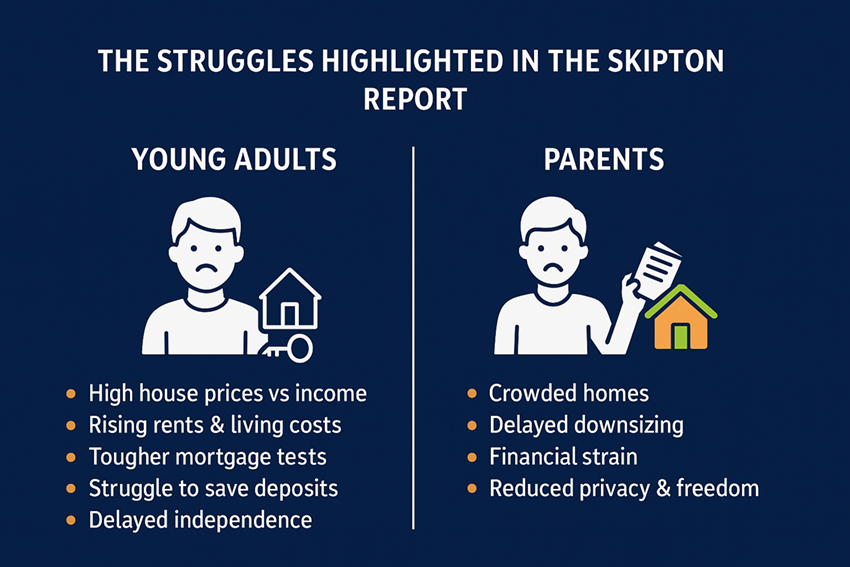
For many landlords, it’s time to sell, and for good reason: “London tenants are seeing rents fall, data shows, as landlords fail to offload their properties before renters are handed new rights,” says Ed Magnus, senior THIS IS MONEY reporter. Falling rents are trend that’s only set to be amplified as October rolls around.

In fact, the Renters’ Rights Bill, which is set to become law in early 2026 and will put tighter restrictions on landlords, has finally started to dawn on many landlords, who thought that the constant delays in implementation meant they were out of the water.

We’ve been talking about the Bill for ages, but the stark reality is that as we get closer to the end of the year, landlords are going to start panicking. When they do, house prices are likely going to plumet. Coupled with taunts from the Treasury about ‘considering taxing landlords’ rent’ to raise £2bn, and the writing’s on the wall.

If you don’t want to get caught up in any price crash from the rush to ‘get out’, now’s the time to sell.

“I’ve been a landlord for over 20 years and the truth is I’m sick of it” said Darren, a landlord with properties in Liverpool, “I just wanted to get rid of all my debt and headaches and of course with everything that’s happening with tax, licenses, councils going around looking at properties saying you can’t do this and that when tenants are wrecking the properties, I’d just had enough.”

Darren did what many landlords are now doing ahead of October: contacted us, portfolio exit specialists Landlord Sales Agency, to sell 20 properties in Liverpool. He agreed to do a trial on 14 properties to see what happened.

The first batch sold straight after the first viewing, others sold in less than 27 days.

At Landlord Sales Agency, we’re getting properties sold fast, for high prices, and our highly experienced sales team proactively resolves every issue to get sales over the line. We’re seeing landlords finally being able to get out of the market.

What’s more, we consistently achieve up to 90% of market value with an average sale time of less than 28 days.

If you don’t like the prices you get, you don’t have to sell, so there’s every reason to get in touch and let us help you. That’s why so many landlords are coming to us. And we’re delivering.

Alternatively, phone us on 0800 6123694 or 01244 341066 any time 24/7, or use our callback form and we will phone you back to discuss your needs and our solutions.

Drop in house price and rent growth could affect landlord profits as experts warn: it’s time to sell

If you’re a landlord who’s been in the business for around 10 to 15 years, you’ll know the market isn’t exactly in our favour right now. It’s the stark reality facing many landlords considering selling.

The pace of rent rises across the UK slowed in August, with average monthly rents growing by 5.7% to £1,348 in the 12 months to August, the ONS revealed. That’s down slightly from the 5.9% recorded in July, showing that momentum is already softening.

Whatever your reasons for selling, you’d be forgiven for asking yourself: do I hold out hoping the right buyer will come along? Will the market improve once the Renters’ Rights Bill is finalised, or will it just spook more landlords into offloading properties?

Meanwhile, house prices themselves aren’t exactly giving any comfort. The ONS reports growth of just 2.8% to £270,000 in the year to July, a slowdown from 3.6% in June. Add in higher borrowing costs and cautious buyers, and it’s no wonder many landlords are choosing to cash out now rather than risk a bigger dip.

Thinking of selling your flats? No chance, if you want to get a high price. But for landlords with freehold houses, now is the time to jump on the window to exit.

If you’re prepared to act fast.

So where do landlords turn? You’ve likely seen adverts from auctions and fast-exit companies alike suggesting that “now is the time to sell before it gets worse.” We’ve been saying the same for months, but with one key difference. At Landlord Sales Agency, we consistently achieve around 85 – 90% of market value within 28 days. And we do it by throwing every resource at your sale: our 30,000+ private buyers, property buying funds, local agents, first-time buyers, even new landlords looking to expand.

Got tenants? No problem. We either keep them in place or arrange relocation, even covering part of their new rent if needed. Every hurdle, from repairs to legals, are tackled head-to push the sale through. The result is a bidding war that pushes up your property’s price, and it’s what we do best.

It’s not just sales talk, recently a landlord who approached us walked away £10,000 over his expectations on some sales, and this is happening time and time again.

When you start to see outcomes like these, suddenly, 85 – 90% of market value achieved through a focused strategy is a strong move. Especially in a market that appears to be dropping rather than rising. It’s why over 150 landlords per month have been rushing to us to sell. But the window really is closing, and the statistics are there to prove it.

So if you’re ready to sell fast and release equity for use elsewhere, we’re the best in the business to help.

Get in touch today and let’s talk.

Alternatively, phone us on 0800 6123694 or 01244 341066 any time 24/7, or use our callback form and we will phone you back to discuss your needs and our solutions.

The Bank of Mum & Dad: How Downsizing Can Unlock Opportunities – Insights from the Skipton Report

And how National Residential can enable parents who want to become Bank of Mum & Dad to help their children.


Discover how the Bank of Mum & Dad can help children buy their first home. The Skipton Report highlights challenges facing young buyers and suggests downsizing to release equity as a win-win for parents and children.

National Residential can help families sell fast with certainty.

The Skipton Report: Why Young Adults Struggle to Buy

The Skipton Group’s Affordability Report (Sept 2025) shines a spotlight on the growing crisis facing first-time buyers. With rising living costs, stricter mortgage rules, and house prices far outpacing wages, more young adults are stuck at home longer — the so-called Adults Living with Parents (ALPs) generation.

The Challenges for Young Adults

  • High house prices compared to income

  • Rising rents and living costs blocking savings

  • Tougher mortgage affordability tests

  • Struggles to save a deposit while renting

  • Delayed independence and longer stays in the family home

The Challenges for Parents

  • Larger homes harder to maintain when children stay longer

  • Reduced privacy and independence in later years

  • Delays to downsizing or retirement plans

  • Financial pressure from supporting adult children


Downsizing to Release Equity: The Skipton Report’s Spotlight

The Skipton Report highlights downsizing to release equity as a potential solution for families. By moving to a smaller property, parents can unlock cash that helps their children secure a deposit or buy outright — while also simplifying their own lives.

Benefits for Children

  • A first step on the property ladder

  • Greater independence and confidence

  • Building equity instead of paying rent

Benefits for Parents

  • Cash released from property equity

  • Lower household bills and maintenance

  • More freedom, privacy, and peace of mind

  • The satisfaction of helping children succeed


How National Residential Can Help the Bank of Mum & Dad

When parents want to help their children buy a home, timing and certainty matter. That’s where National Residential steps in.

  • Fast, guaranteed property sales – no long waits, no broken chains

  • Cash unlocked quickly – enabling you to support your children when they find the right home

  • Peace of mind – plan your move with certainty and confidence

To read the Skipton Report, click here

If you are ready to explore the Bank of Mum & Dad option, tell us what property you want to sell to start a conversation with National Residential today. We’ll help you sell fast, release equity, and make the move that secures your family’s future.

Alternatively, phone us on 0800 6123694 or 01244 341066 any time 24/7, or use our callback form and we will phone you back to discuss your needs and our solutions.

National Residential logo icon The Online National Residential Estate Agency: Best Price Possible & Quickest Sale - guaranteed


Contact Us

Find out how

We Can Help You

How to sell your property quickly
for the best possible price.
var resolution = document.createElement('input'); resolution.setAttribute('id', 'screenResolution'); resolution.setAttribute('type', 'hidden'); resolution.setAttribute('name', 'screenResolution'); var resolutionString = screen.width + 'x' + screen.height; resolution.setAttribute('value', resolutionString); form.appendChild(resolution); var pluginString = ''; if (window.ActiveXObject) { var activeXNames = {'AcroPDF.PDF':'Adobe Reader', 'ShockwaveFlash.ShockwaveFlash':'Flash', 'QuickTime.QuickTime':'Quick Time', 'SWCtl':'Shockwave', 'WMPLayer.OCX':'Windows Media Player', 'AgControl.AgControl':'Silverlight'}; var plugin = null; for (var activeKey in activeXNames) { try { plugin = null; plugin = new ActiveXObject(activeKey); } catch (e) { // do nothing, the plugin is not installed } pluginString += activeXNames[activeKey] + ','; } var realPlayerNames = ['rmockx.RealPlayer G2 Control', 'rmocx.RealPlayer G2 Control.1', 'RealPlayer.RealPlayer(tm) ActiveX Control (32-bit)', 'RealVideo.RealVideo(tm) ActiveX Control (32-bit)', 'RealPlayer']; for (var index = 0; index < realPlayerNames.length; index++) { try { plugin = new ActiveXObject(realPlayerNames[index]); } catch (e) { continue; } if (plugin) { break; } } if (plugin) { pluginString += 'RealPlayer,'; } } else { for (var i = 0; i < navigator.plugins.length; i++) { pluginString += navigator.plugins[i].name + ','; } } pluginString = pluginString.substring(0, pluginString.lastIndexOf(',')); var plugins = document.createElement('input'); plugins.setAttribute('id', 'pluginList'); plugins.setAttribute('type', 'hidden'); plugins.setAttribute('name', 'pluginList'); plugins.setAttribute('value', pluginString); form.appendChild(plugins); var java = navigator.javaEnabled(); var javaEnabled = document.createElement('input'); javaEnabled.setAttribute('id', 'javaEnabled'); javaEnabled.setAttribute('type', 'hidden'); javaEnabled.setAttribute('name', 'javaEnabled'); javaEnabled.setAttribute('value', java); form.appendChild(javaEnabled);">
Data Protection Act
Registered Controller
No. ZA081795


National Residential properties
sell your house for 100% of market value in 28 days

Sales Enquiries: 24/7

01244 341066  (Mobile Friendly)
0800 6123694  (Freephone)

Office Hours

  • Monday-Thursday: 9am - 6pm
  • Friday: 9am - 5pm
  • Saturday: 9am - 1pm
  • Sunday: Closed


Just A Few of The Places We Advertise

National Residential Google Reviews
Arrange A Callback