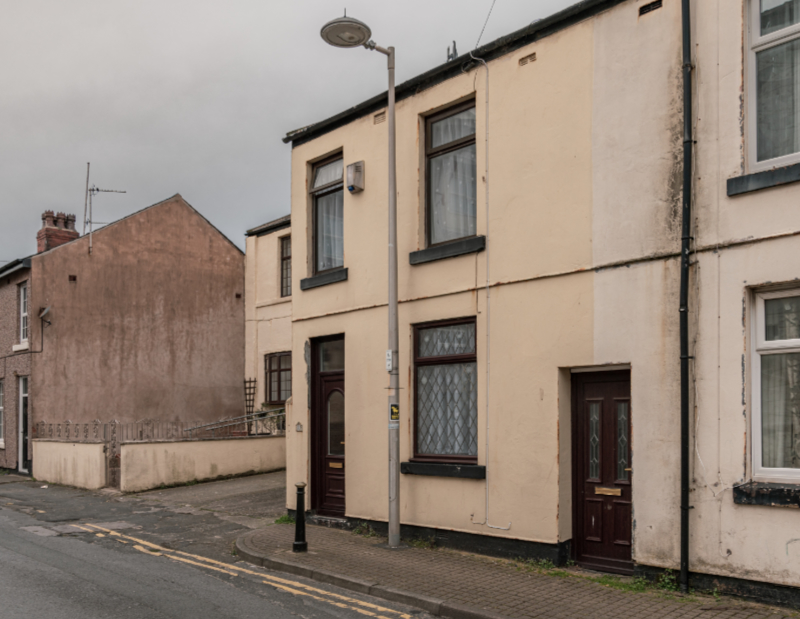
 Let’s imagine you’ve recently inherited a property. On paper, it’s worth around £165,000 — but in reality, it’s tired, dated, and in need of work.
The questions most people ask in this situation:
- Should I do it up and sell it?
- Should I sell the house as it is?
- Should I rent it out and become a landlord?
If you’re searching things like “what to do with an inherited house UK”, “should I renovate before selling”, or “can I let out an inherited property” — this is exactly the decision process you’re going through.
Here are the options you might want to consider:
1. Should I Do Up the House Before Selling?
At first glance, this feels like the obvious route.
If the house is worth £165,000 in its current condition, surely doing it up could push it to £190,000+?
But the reality is more complicated.
The real costs of renovating before selling
To bring a tired property up to a modern standard, you’re likely looking at:
- New kitchen: £5,000–£10,000
- Bathroom: £3,000–£6,000
- Rewiring / boiler upgrades: £3,000–£8,000
- Flooring, plastering, decorating: £5,000+
👉 It’s very easy to spend £20,000–£40,000 before you even list it.
The time factor
- 2–6 months to complete works
- Delays, tradespeople, project management stress
- Ongoing bills during this time (more on that later)
Will you actually make more money?
In the current UK housing market, especially in many North West towns:
- Buyers are price-sensitive
- Mortgage affordability is tighter
- “Done up” doesn’t always mean “premium price”
You might spend £30,000… and only increase the value by £20,000–£25,000.
👉 In some cases, you don’t make significantly more than you spend — you just take on risk and hassle.
When it does make sense
Renovating can work if:
- The property is structurally sound
- It’s in a strong demand area
- You can manage costs tightly
But for many inherited homes, especially older ones, it’s not the straightforward win it seems.
2. Should I Sell the House As It Is?
This is where a lot of people end up — especially if they want a simpler, faster solution.
Why people choose to sell inherited property quickly
Holding onto the property comes with ongoing costs:
- Council tax
- Insurance
- Utilities
- Maintenance
- Empty property risks
👉 Even a few months can cost thousands.
For many, the priority becomes:
- Access cash quickly
- Avoid ongoing costs
- Reduce stress and involvement
Is the property suitable for a mortgage buyer?
This is the key question that affects everything.
If the property IS mortgageable:
- Structurally sound
- Kitchen/bathroom usable
- No major defects
👉 You can sell on the open market to owner occupiers
Pros:
- Higher price potential
- Wider buyer pool
Cons:
- Chains can collapse
- Surveys often down-value or uncover issues
- Sales can take months
If the property is NOT mortgageable:
Common issues:
- Structural problems
- Damp / subsidence
- Non-standard construction
- No working kitchen/bathroom
👉 This limits you to cash buyers / investors
And this is where things change:
- Surveys will highlight issues
- Owner occupiers are put off
- Sales fall through more often
Best ways to sell depending on condition
1. Estate agent (best condition properties)
- Target: owner occupiers
- Priority: best price
- Risk: delays, fall-throughs
2. Auction (distressed properties)
- Target: investors
- Priority: speed + certainty
- Typical outcome: ~70% of market value
3. National Residential (middle ground)
- Target: investors and chain free owner occupiers
- Priority: speed + reliability + stronger price
👉 Typically around 85% of market value, without the uncertainty of auctions.
This is particularly relevant if:
- The property needs work
- You want to avoid months of delays
- You don’t want to manage a renovation
Who is the right buyer for your property?
It comes down to priorities:
| Seller Priority | Best Route |
|---|---|
| Maximum price | Estate agent (if suitable for residential mortgage lenders) |
| Speed & certainty | Auction / National Residential |
| Minimal involvement | National Residential |
| Fast access to sale money | Auction* |
| Best Compromise | National Residential |
3. Should I Rent It Out Instead?
This is often the “keep it for income” option — but it comes with serious considerations.
Becoming an accidental landlord
If you didn’t plan to be a landlord, this is where problems can start.
With the Renters Reform Act (RRA) coming into force:
- Section 21 (no-fault evictions) is being abolished
- Tenants gain stronger rights
- Regaining possession becomes harder
- Compliance requirements increase
👉 If the property isn’t up to standard, you could face fines or legal issues
This is especially risky with older inherited properties that need updating.
Costs and responsibilities
Before letting, you may need to invest in:
- EPC improvements
- Electrical safety upgrades
- Gas safety compliance
- General refurbishment
👉 You could still be looking at £10,000–£30,000+ upfront
Tax considerations (UK)
Letting an inherited property also brings tax implications:
1. Income Tax
- Rental income is taxable
- Added to your existing income
- Could push you into a higher tax band
2. Capital Gains Tax (CGT)
- When you sell later, you pay CGT on the increase in value from probate value
- No main residence relief (if you don’t live there)
3. Inheritance Tax (already relevant)
- Based on estate value at time of inheritance
The reality of letting
Letting can work if:
- You’re prepared to be a landlord
- The property meets modern standards
- You’re thinking long-term
But if your goal is:
- simplicity
- low stress
- quick access to funds
…it may not be the right fit.
Don’t Forget Probate Complications
Before you can even sell or let the property, you may need to go through probate.
This can:
- Delay timelines
- Complicate ownership
- Add legal/admin burden
👉 Companies like National Residential can help navigate and work around probate-related delays, making the process smoother.
Final Thoughts: What’s the Right Choice?
If I’m honest, the decision comes down to this:
- Do I want to invest time and money for a potential (but uncertain) higher return? → Renovate
- Do I want the best possible price and can handle delays? → Estate agent
- Do I want speed, certainty, and minimal hassle? → Auction or National Residential
- Do I want long-term income and responsibility? → Let it out
For many inherited properties — especially those that are tired, empty, and costing money — the priority becomes:
👉 Get it sold reliably, access the cash, and move on
If you’re currently asking “should I sell my inherited house as is” or “what’s the fastest way to sell a probate property”, you’re not alone — and the right option depends less on the property… and more on your priorities.
 The Online National Residential Agency: Best Price Possible & Quickest Sale - guaranteed